Manage your emotions and improve your life.
Stress will ruin your life if you let it. The Stress Reset programme shows you how to tackle stress and maximise performance.
I was a dad and husband before my 21st birthday.
This was a big deal for me and anyone who knew me. It was a dramatic shift from the direction my life was heading.
But the reality of being a husband and dad at a young age, untrained, unqualified, and unemployed, soon became a heavy burden.
What I now know, which I didn't know then, is that the huge changes in my life, despite them being good, have led to me experiencing immense levels of stress.
Some stress was internal. Some external.
The internal stress came from the value I placed on leadership and family. Which, although good, were hampered by a crippling fear of failure and the negative effects of impostor phenomenon.
And some of my external stressors included things like work, study, bereavement, and, of course, the daily challenges and demands that come with family life.
But unknown to me, the mental and emotional roller-coaster ride I would experience over the next sixteen years or so would help me learn the importance of managing stress well.
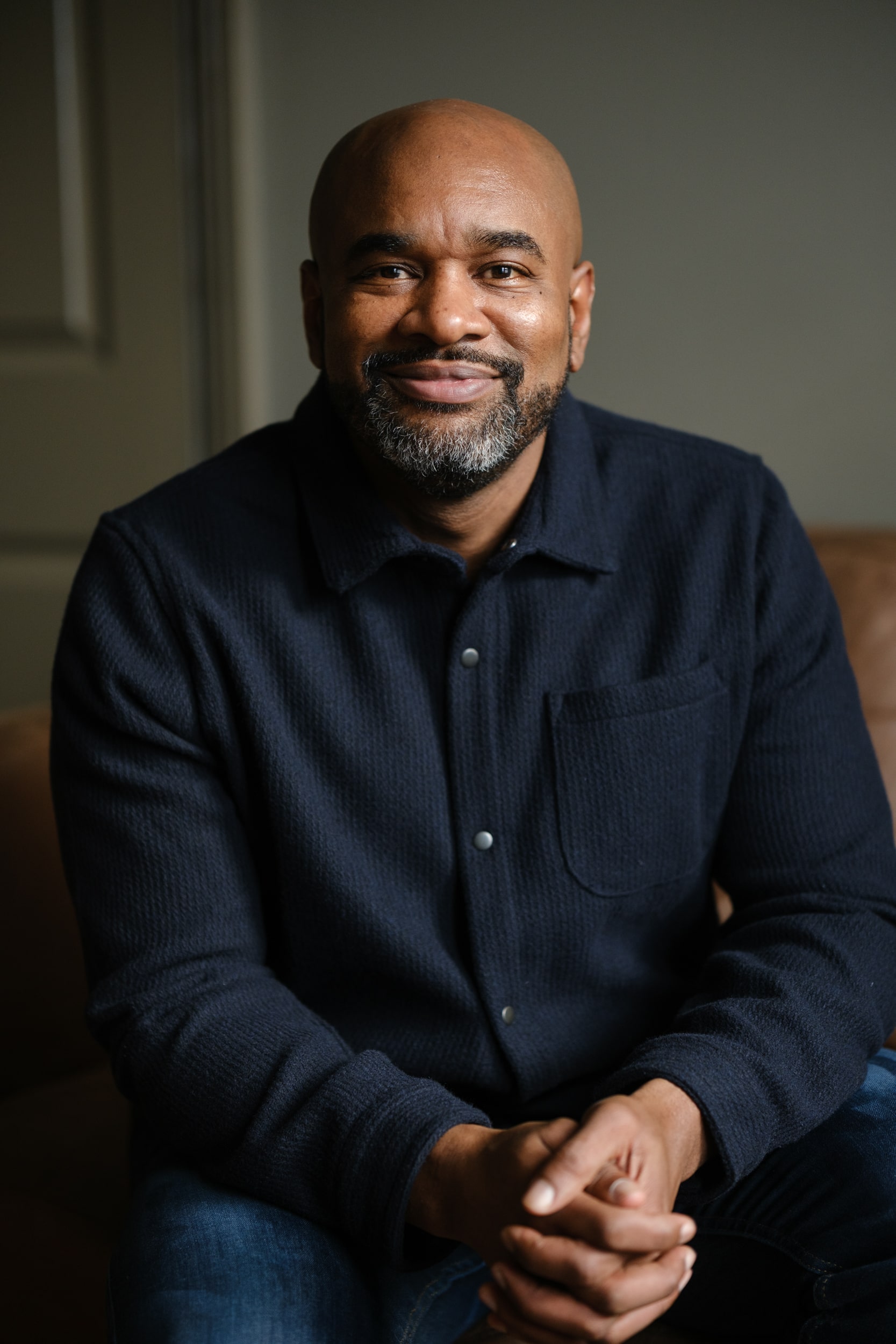
I struggled under the weight of stress for years, and it almost killed me!
Looking back, from my teens through early adulthood, I hated myself. The weight of shame and guilt was unbearable, but I didn’t have the self-awareness or courage to recognise or do anything about it.
I felt powerless!
Feeling lonely, ashamed, and like my life had no meaning, I struggled to make sense of myself and the world around me. It was then that I turned to self-destructive habits as a way of coping and escaping the pain I felt.
During those difficult years, I found faith, which continues to play an active role in my life. But I later found that faith alone wasn’t enough. I also needed the support and input of others—family, friends, mentors, counsellors, and coaches.
As a young dad and husband, I was desperate to find work to provide for my family. After several visits to my local Job Centre, I was eventually given an interview, which led to me getting a job as a civil servant.
And I loved it!
Each day, I spoke with people from all walks of life and helped them find employment. After a few promotions, I was headhunted to work within the recruitment sector, where I could again support clients in finding work.
It was great. I was wearing nice suits (I thought so!), networking with clients in the hustle and bustle of London's city centre, earning good money, and enjoying the perks of having all expenses paid.
But as is the case for many people, the novelty soon wore off! To continue 'enjoying' the grind, I started to rely on additional help from some of my familiar (so-called) friends: drugs, alcohol, and pornography.
At the time, it didn't seem to be a problem. In fact, within the context of my professional network, strip clubs, drugs, and alcohol were the norm. And in some cases, they were celebrated!
However, the relationship I'd reestablished with my coping habits was no different from what I'd developed a few years earlier. I was using them to ignore stress and avoid difficult thoughts and emotions.
I was in a bad place mentally and emotionally. The way I approached and managed the stress in my life wasn't good, and it almost killed me!
Nic's excellent questions, patient listening, and compassionate nature has enabled me to gain confidence, clarify my obstacles, and find tactics to progress in many different aspects of my life. I couldn't recommend Nic highly enough to anyone who is serious about setting and reaching goals to realise their full potential.


The automation capabilities are incredible. We've saved countless hours and improved our customer engagement significantly.


The analytics and reporting features give us insights we never had before. Our conversion rates have improved by 40%.

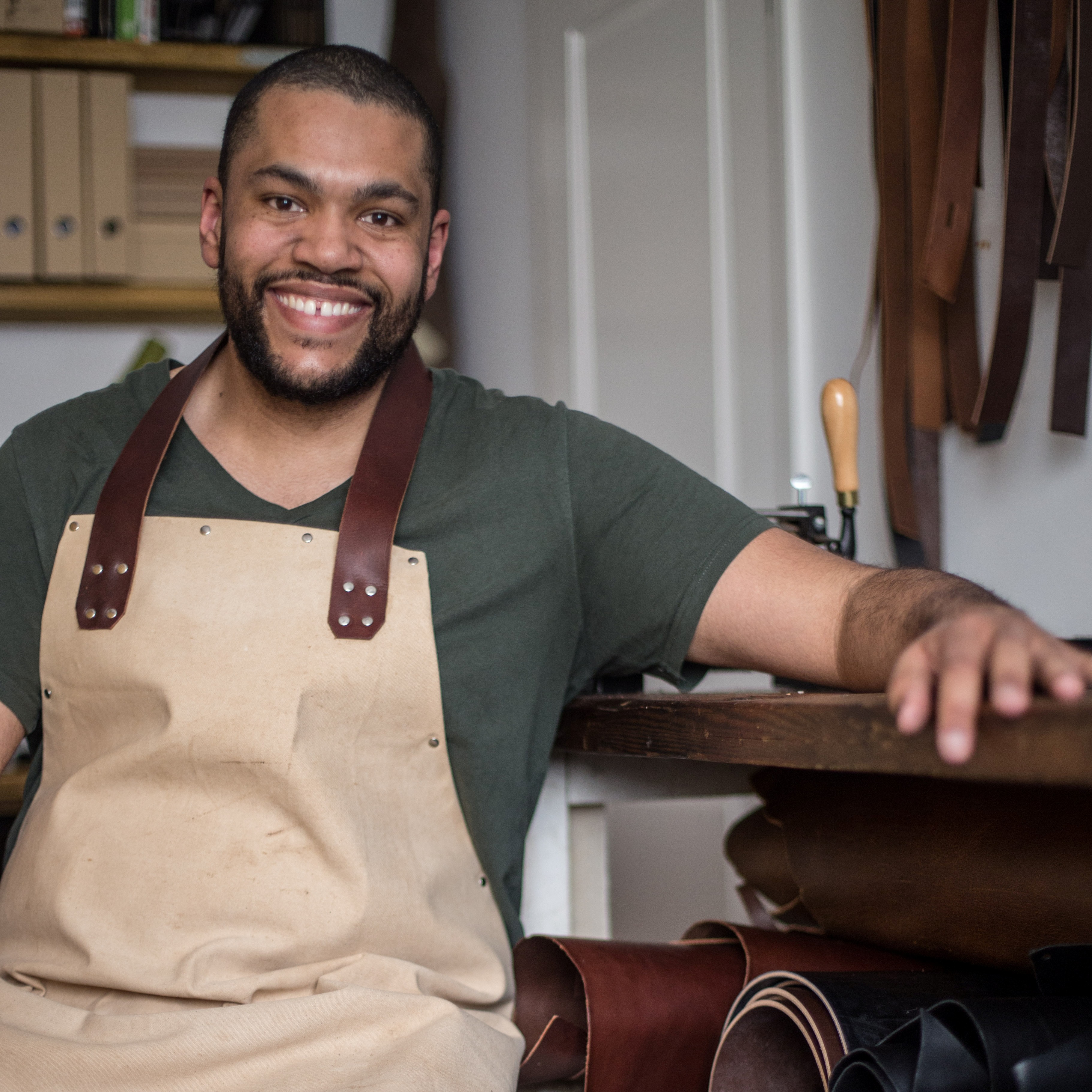
"A great business decision."
A great business decision. Nic's coaching helped increase confidence in my abilities and unlock my potential, enabling me to take my business to the next level. When you run a business by yourself, it's great to have someone in your corner.
Kingsley, Craftsman, Kingsley Leather
“Working with Dr. Mehra helped me secure a promotion I never thought possible. Her guidance transformed my leadership style and boosted my confidence.”
— Sarah K., Marketing Director
“Marcus’s career coaching gave me the clarity to change industries. I landed my dream job within three months of our sessions.”
— Daniel T., Product Manager
“Working with Dr. Mehra helped me secure a promotion I never thought possible. Her guidance transformed my leadership style and boosted my confidence.”
— Sarah K., Marketing Director
“Marcus’s career coaching gave me the clarity to change industries. I landed my dream job within three months of our sessions.”
— Daniel T., Product Manager
Big men don't cry! Well, that's what they'd have us believe...
The lifestyle didn't align with my values or beliefs, so I soon left the city's hustle and bustle to start working with young people in my local community.
It was fulfilling. I felt I could pay forward some of the support I'd received from others after being asked to leave home at 17 years old (a story for another day, perhaps!).
I then trained as a counselling therapist before setting up a counselling service for young people within a pupil referral unit in South London.
Some years later, I was invited to work for my church, where I was responsible for leading and developing pastoral care and programmes for young people aged 11–18.
I was fortunate to lead a great team passionate about investing their time, skills, and energy in the next generation. We had fun!
But as the church grew, so did my responsibilities. And with a growing family, I noticed the alarming disconnect that often accompanies stress.
It took about two years after first noticing this before deciding something needed to change. But it wasn't an easy decision. It was one of the most stressful periods of my life.
There were some tears, hours of therapy, and plenty of helpful conversations with a coach before I arrived at a place where I felt able to decide on doing what I believed was best...
Slowing things down, prioritising my wellbeing, and being more deliberate about how to manage stress.
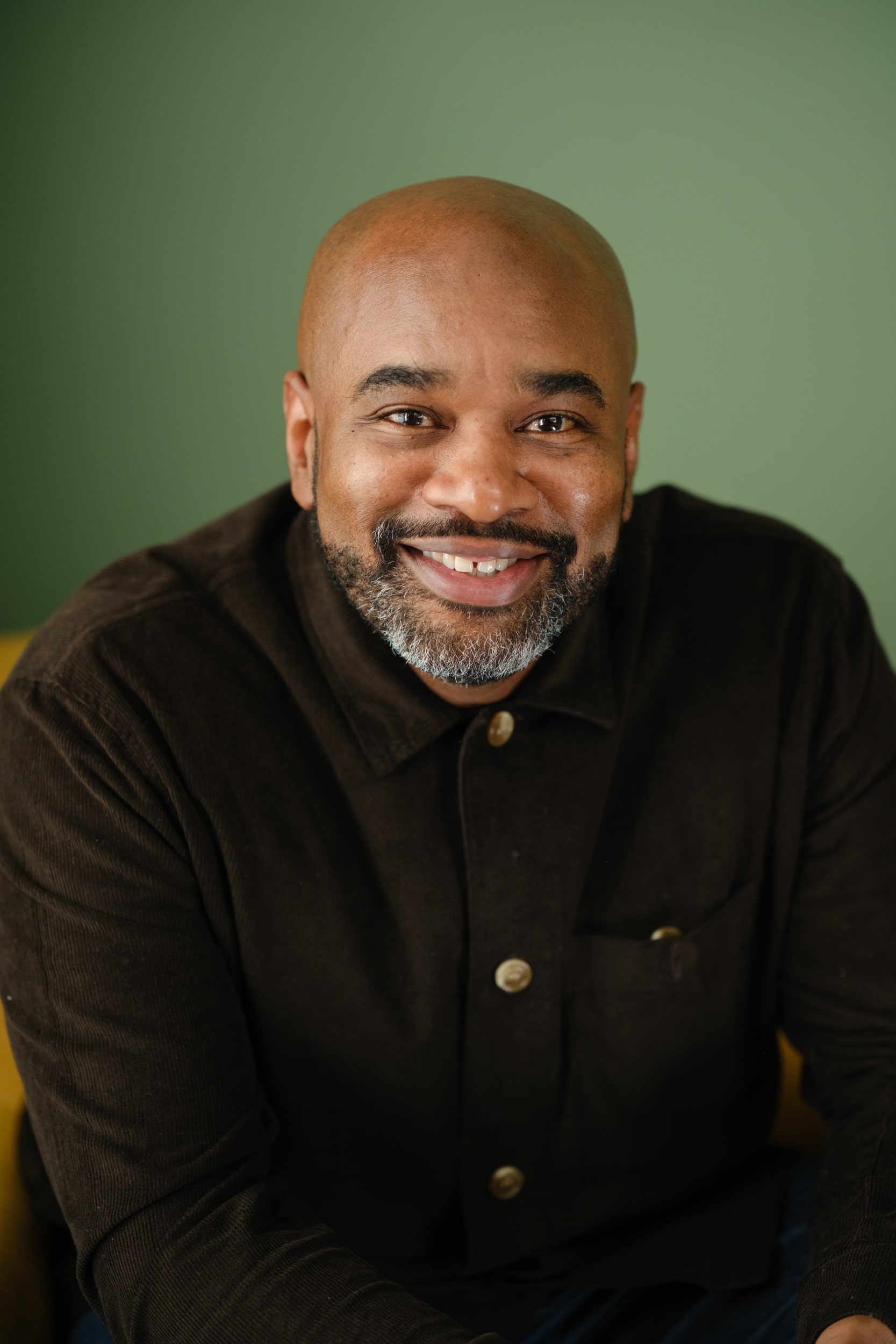
Yes, I struggled with stress, but you don't have to!
Looking back, I see that much of my stress came from leaning into others' expectations to gain their affirmation and approval. This was a no-win situation.
Maybe you can relate? And maybe, like me, you can see where unmanaged stress could do untold damage to your health, relationships, business, career, and other important areas of your life.
Perhaps you can also see where stress could kill you!
But through my experiences of stress and burnout, I was able to get clarity. I was forced to look honestly at my life, ask big questions, and make a few good decisions.
And it was at the point of making the first decision that everything started to move in a healthier direction. And it's the same now. When I make a decision, things seem to happen!
But it wasn't just a decision to change that made the difference. It was also becoming clearer about what I wanted my life to look like. In other words, I began to imagine a different future.
It was a future in which I felt more connected to my loved ones, had more energy to do meaningful work, and was more confident in my ability to make choices that aligned with my values.
And once I'd imagined what I believed would be a better future, there was no turning back. It was obvious to me that life would look different. These are the kinds of shifts I can help you with.
So, if what I've shared about my journey resonates, book a complimentary consultation call to see if we'd be a good fit.
The impacts of stress are
too risky to ignore

Get crystal clear on what needs fixing
Identify the causes of your stress and what needs to change.

Master your stress; don't be a slave to it
Discover proven stress reduction strategies you can use daily.

See better results and have more impact
Grow in confidence and perform better in all areas of your life.
"Now that I've finished my sessions with Nic, I feel very confident and reassured about my issues."
— Josh
"Nic created highly professional and focused sessions within which I could challenge my addiction."
— Amy
Still unsure if I'm the right professional for you?
As I'll have the privilege of knowing about some of your goals, fears, and struggles, I think it's only fair to share a little bit about my story.
But if you want to know about the more formal stuff, go ahead and knock yourself out...
The formal (fluff) stuff...
For over two decades, I've supported others to improve their mindset, wellbeing, and performance so they can regain control of their lives and have more impact.
Alongside my continued professional development (CPD), I've also achieved the following:
CPCAB Level 5 Certificate in Relational Supervision
Most Outstanding Student of the Year Award (Gloucestershire University)
BSc (Hons) Applied Social Sciences (First)
ILM Level 5 Certificate in Leadership & Management
BTEC Level 3 Award in Education & Training
Diploma in Personal Performance Coaching
MBACP Registered Counsellor (095486)
Diploma in Person-Centred Therapy Counselling
Certificate in Counselling
Other training
Primary Certificate in Stress Management (Centre for Stress Management)
Nonviolent Communication (Foundation Certificate)
Mental Health Crisis Awareness
Postvention: Assisting Those Bereaved by Suicide (PABBS)
Applied Suicide Intervention Training (ASIST)
Mental Health First Aid (MHFA)
I've had opportunities to work with individuals, couples, and groups from various backgrounds. It's this experience that'll influence my work with you.
Things that make my heart happy
Besides the obvious joy of spending time with family and friends and the conversations I have with insightful thinkers inside the pages of good books, where should I start?
Hmmm...
Let's go with salted caramel Häagen-Dazs and popcorn.
Yep, I love both. I eat them while watching dramas and reading books, and, if possible, while at the gym.
Seriously, I would!
I also enjoy walking and putting my hands to creative things like design, photography, and playing the keyboard.
Which service would help you right now?
Stress Coaching
Develop the mindset and skills to communicate and lead with more confidence and impact.
Individual Counselling
Consider healthy ways to improve and manage your emotional and mental wellbeing.
Couples Counselling
Identify areas for improvement and develop healthy ways to address them together.
Clinical Supervision
Reflect on how you work with clients, build your practice, and take care of yourself in the process.
Workshops & Training
Interactive and informative spaces designed to foster learning and development.
Let's take the stress out of choosing to work with me!
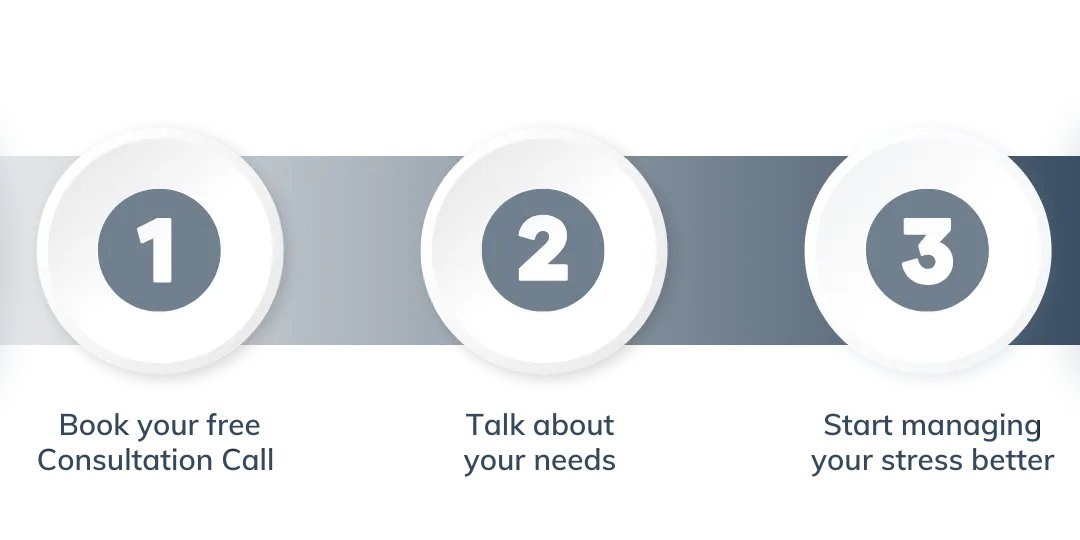
1. Book your free consultation call
Check my availability, find a time that works for you, and schedule a chat.
2. Identify your needs, hopes, and goals
We'll explore your needs, hopes, what working together looks like, and see if we'd be a good fit.
3. Learn to manage stress and live well
Understand and manage your stress to improve your wellbeing and performance in life.
Frequently Asked Questions
What is coaching?
The main aim of coaching is to improve performance in whatever area of your life you choose to focus on. It could be your business, a relationship, your parenting, or your health. Many people find that engaging in the coaching process becomes a powerful motivation for personal and professional growth.
Regardless of the type of coaching you choose, at its core, coaching is designed to help raise your self-awareness and encourage personal responsibility and freedom. So, when approached with the right mindset and a willingness to put in the work, coaching can be a catalyst for lasting change—an unlocking of potential and performance.
Normally, coaching is a relationship between two or more people. It's a relationship where responsibility is accepted through exploration, choice and accountability. This is achieved through structured conversations and the use of various tools and activities I may introduce to help with self-discovery and growth.
Still have questions about what coaching is, or if it's something you might benefit from? Book a free coaching consultation call to talk with me and see how I can help you.
Why might coaching be right for me?
There are many reasons to consider working with a coach. Whether you're a leader, business owner, or busy professional, coaching can support you in making improvements in life. It can provide a dedicated space to explore personal and professional decisions and help you gain clarity and direction on important issues and goals.
Though different from counselling, coaching can also raise your awareness to understand and change problematic patterns of thinking and behaviour. It can also help you become more resourceful with your strengths and develop a healthier view of yourself and your potential. This can lead to you growing more confident in your ability to perform.
Coaching can also help you discover your purpose and the steps needed to make the changes you want to see. A coaching relationship offers accountability and support, both of which will significantly increase your chances of success. There are other benefits to coaching relating to skill and well-being—the acceleration of learning, improvements to your way of thinking, and the building of emotional resilience are just some examples.
If you're facing a challenge in life, or in a space where you need clarity and direction, working with a coach could be the decision that helps you see change, and experience greater confidence, performance and fulfillment.
How do I get started?
Yes, your initial session is completely free and designed to help you experience our approach with no obligation.
How long does a typical coaching engagement last?
Engagements vary, but most clients work with us for three to six months to achieve meaningful results.
What is counselling?
Counselling is a type of talking therapy aimed at helping you improve your wellbeing by talking through issues causing you emotional distress.
Through a counselling relationship, you can discover more about yourself and your experiences by having personal conversations where you are listened to and validated without judgement.
By focusing mainly on current problems, as a trained counsellor, I can support you in exploring and understanding how you think and feel about any number of issues. Unlike what you may experience in your other relationships, I'll resist the temptation to give you my opinion, offer you advice, or tell you what I think you ought to do—I promise! Instead, I'll help you make sense of any issues causing you emotional distress by encouraging you to consider different perspectives.
People come to counselling for all sorts of reasons. For you, it could be to address an issue from your past, or to help you manage a significant life event. In either case, counselling can help you gain a better understanding of yourself, others, and your experiences. It can lead to changes in the way you handle relationships and deal with issues. Your experience with counselling, like that of many others, may also result in you feeling more confident and seeing improvements in your overall wellbeing.
Still have questions about what counselling is or if it's something you might benefit from? Book a free counselling consultation call to talk with me and see how I can help you.
Why might counselling be right for me?
If you're struggling with your normal day-to-day life, responsibilities, or relationship, it might be that you'd benefit from counselling. Deciding to try counselling is a choice only you can make, but just talking to someone in confidence can make a big difference.
Counselling will offer you a regular time and space to talk about the challenges you're facing and explore your feelings. As a counsellor, I can also help you develop better coping strategies so you can move forward and get the most out of life.
What issues can counselling help with?
There are many reasons you might want to consider counselling. Working with a counsellor can help with difficult life problems, including dealing with depression and anxiety, relationship issues, coping with trauma, addiction, or learning how to manage unhelpful thoughts and behaviours.
Other difficulties you might want to address in counselling might be things like the loss of a loved one, addiction, managing your anger or other uncomfortable emotions, or wanting to become more confident in yourself.
Whatever you're facing, having the space to speak openly about what's on your mind can help you make sense of how you're being affected and explore ways to make the changes you'd like to see.
If I'm concerned, can I refer someone else for counselling?
There may be someone close to you—a friend, family member, or partner—who you're concerned about and think might benefit from counselling. Though I'm open to inquiries on behalf of someone else, I'd always recommend getting their consent and making sure they're okay with counselling support.
I'd also say that if you have a genuine concern for someone else's wellbeing and think counselling might help, first speak to them about it in a private and confidential setting where they'll feel free from judgment. It's also important that you base your concerns on facts rather than hearsay and give clear examples of what you've noticed that's the cause of your worry.
By expressing your concern this way and emphasising that you want to see them get help and feel better, you'll be more likely to overcome any fears or stigma they may have about mental health support. It's important that you leave them to decide whether to book a counselling consultation call with me, either on their own or with your support.
Will my sessions be confidential?
Yes, what we discuss in your sessions will be confidential. As a BACP registered counsellor, I'm bound by their Ethical Framework, one of which is to 'protect the confidentiality and privacy of clients'. However, there are some situations where I might need to disclose what we discuss in your sessions. But these would relate to issues where I believe someone may be at risk of serious harm.
It's also worth noting that, under the same Ethical Framework, I'm obliged to meet regularly with a supervisor who oversees and supports my work to ensure I'm maintaining a high level of good practice. To help them assist me, I discuss my client work in general terms without sharing personal identities. My supervisor is also required to protect information and privacy.
Why do you recommend meeting weekly?
The standard frequency for counselling sessions is once a week. This can help you discuss the changes and progress you're seeing from day to day. Although weekly sessions are typical, we'll review and adjust to meet your needs and progress. Many of my clients move to fortnightly or monthly sessions after a period of us working together.
How long are counselling sessions?
Counselling sessions are 50 minutes long and are usually arranged weekly on a consistent day and time. This allows for routine and makes it easier to manage availability. However, this can be flexible, and we can discuss it during your counselling consultation call or before we get started.
For convenience, sessions can also be arranged via my online booking system. Let me know if this would help.
Do you offer online counselling sessions?
Although I believe face-to-face is best, I also offer online sessions via secure video platforms like Zoom or Google Meet. I understand that factors like location and time commitments can be challenging, so you can either work with me face-to-face, or online, or take a more blended approach that combines the two.
How do you expect payments to be made?
For sessions arranged offline, fees must be paid at least 48 hours before your agreed session date. When booking a counselling session online, payment is required at the time of making your appointment. Sessions can also be paid for in blocks, and invoicing can be provided on request.
Do you offer concessions for students?
Yes, I do offer a limited number of concessions for those who genuinely need them and for students. If you fit into either category, we'll discuss your financial circumstances during your counselling consultation call to get a sense of what could work for both of us.
Why do I need to pay for missed of cancelled sessions?
My cancellation policy is to help retain your scheduled time slot and avoid unnecessary costs. It's also important to note that your commitment to attend sessions is an important part of counselling.
So, except in extenuating circumstances, a full fee is payable for missed and/or cancelled sessions. Cancellations need to be made by telephone or text within 24 hours of your scheduled session. If a voicemail message is left, you should also send a text, as voicemail may not be checked as regularly.
I will inform you of any planned absences that break the continuity of our work together. However, if I need to cancel a session due to unforeseen circumstances or an emergency, I'll let you know as soon as possible by telephone or text.
Why do you ask for GP details?
It's good practice for me to ask you for details of your General Practitioner (GP), in the event of an emotional or psychological emergency while we're working together, I might need to contact them in the interests of your wellbeing and safety. It's worth noting that you're not obliged to provide these details.
What hours are you available for counselling sessions?
My counselling sessions are generally available on an hourly basis from 9 am until 4 pm on Monday to Wednesday (finishing at 4:50 pm). If you require sessions outside of these hours or at the weekends, I can recommend other registered therapists who may have availability to meet your needs.
Will you be available in the case of emergencies?
In some extenuating circumstances, I may agree to be available to you if you're facing a situation that may require additional availability. But typically, I'll only be available to speak or meet with you during your scheduled session times. In the case of a crisis, you'll be expected to contact your GP, Samaritans (call free anytime, from any phone, on 116 123), or, if needed, the emergency services.
For couples counselling, do we always need to attend together?
Though it's best that you attend all sessions together, on occasions where only one of you can, I'll provide a one-on-one session. To maintain the consistency of your couples counselling, the issues raised with the individual who attended may be shared when you next meet together.
Is there access for disabled people?
Yes, the location of my office has good disabled access, if needed.
Is there parking nearby?
Yes, there are various parking options available near my office, as follows:
Gloucester Leisure Centre (GL1)
Prices vary, so I'd recommend you check first.
How do I get started?
To talk about whether counselling is right for you, book a free counselling consultation call. During the call, we will discuss what working together might look like, and you will also have an opportunity to ask questions.
Let's take the stress out of working with me

Book your free consultation call
Check my availability, find a time that works for you, and schedule a time for us to have a chat.

Identify your needs, hopes, and goals
We'll explore your needs, hopes, what working together looks like, and see if we'd be a good fit.

Learn to manage stress and live well
Understand and manage your stress to improve your wellbeing and performance in life.
Ready to get started?
Book your consultation, and let's chat about the changes you want to see and the impact you want to have!
© 2026 Nicholas Ferguson. All Rights Reserved. Privacy Policy | BACP Register
Take the First Step Towards Change
Ready to unlock your potential? Fill out our quick contact form or call us today to start your journey with a dedicated coach by your side.